Janitorial Services: Health, Productivity, and Trust in Every Building

When people walk into a building, they notice the floors, the smell, and the restrooms within seconds. But janitorial services do more than keep spaces looking presentable. Consistent cleaning supports health, day-to-day safety, and focus. That matters in offices, schools, hospitals, and retail stores, where traffic is constant, and expectations are high. Below is a practical overview of what janitorial work covers and why many teams outsource to top janitorial companies like Oneliance.

What does janitorial services include?
Janitorial services are the routine cleaning and upkeep tasks that keep a facility functional from one day to the next. Think of it as the building’s “baseline maintenance” for hygiene and order. Most contracts cover recurring work such as restrooms, floors, waste removal, and common areas, with schedules tied to occupancy and risk.

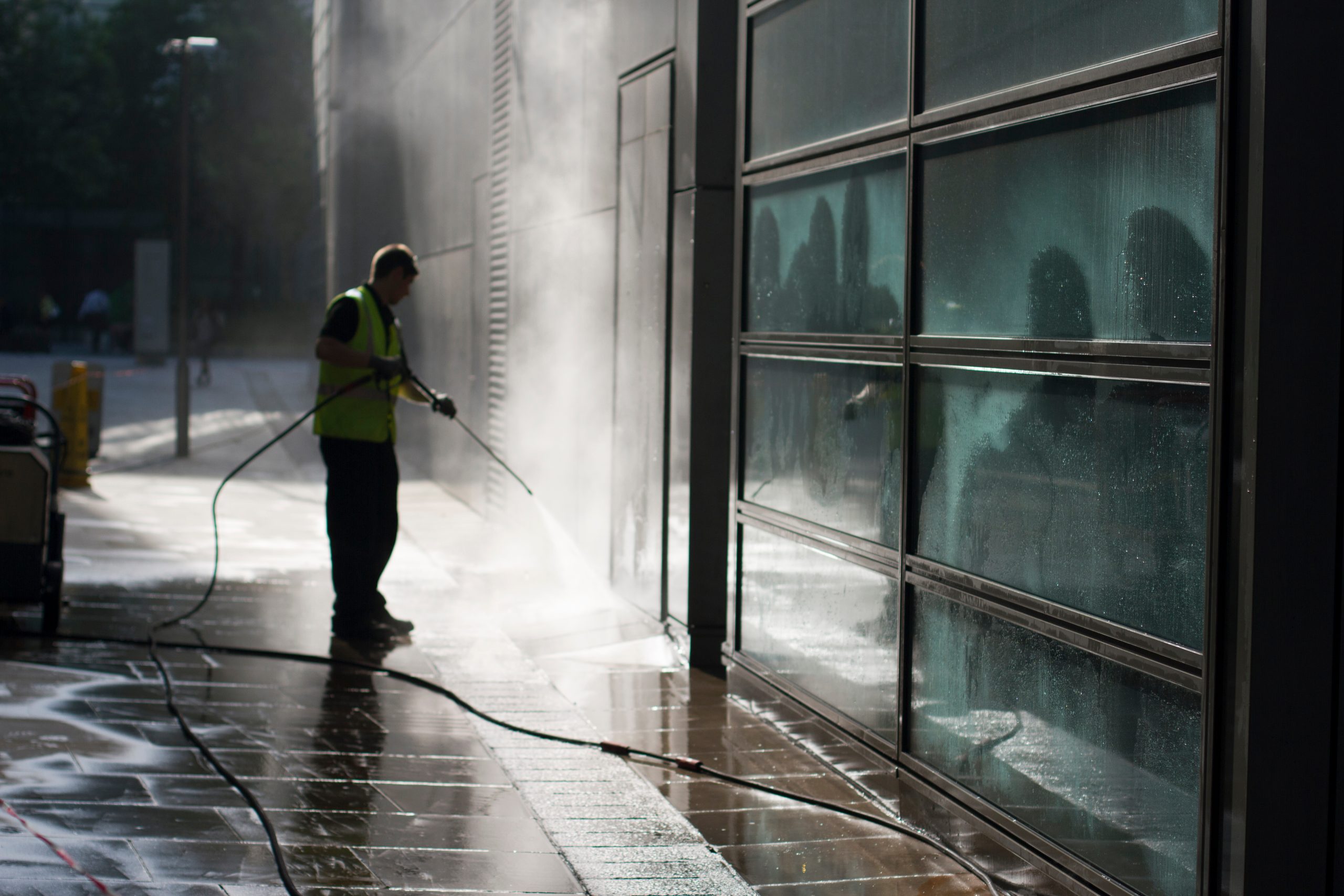
Janitorial services also may include routine maintenance of furniture, fixtures, and equipment. For Oneliance, these services are provided a la carte or on a recurring schedule. These janitorial maintenance services can include deep carpet extraction, floor refinishing, and exterior pressure washing.

Can janitorial services reduce risk?
Cleaning is a risk-control practice. It reduces the risk of harmful microorganisms spreading, mitigates mold growth, and helps maintain your physical infrastructure. Ramping up infection control processes during cold and flu season may reduce absenteeism. Further, routine cleaning combined with sustainable cleaning practices supports an overall healthy workplace.

Reputation is tied to visual appearance. Occupants and guests often judge a company or service by the condition of its building. A poorly maintained space sends subconscious signals that details don’t matter. Incorporating industry-approved janitorial standards supports a strong first impression and protects your brand reputation  

How to choose a trusted janitorial service provider?
Most companies outsource cleaning to an experienced janitorial service provider, such as Oneliance. Outsourcing shifts much of that operational load to a vendor, often with clearer service levels and easier scaling for multi-site needs. 

It is important to use a registered, established janitorial service contractor for your commercial building. All contractors should be bonded and insured, provide proof of OSHA safety certifications, and hold the required business licenses to operate. Unlicensed cleaning companies or residential cleaning contractors aren’t equipped to handle commercial buildings.

Choosing an experienced janitorial services contractor like Oneliance provides an extra layer of protection. You get dependable schedules, backup staffing, documented digital checklists, access to commercial equipment, and safer chemical handling. Professional commercial cleaning contractors should also have local or on-site managerial support to oversee quality and ensure clear communication.

Questions to ask before you hire a provider like Oneliance:

  • Do you run background checks, and who will have after-hours access?
  • What insurance do you carry, and what does it cover?
  • How are cleaners trained, and how often is training refreshed?
  • How do you inspect quality, and can I see sample checklists?
  • What’s included in the quote, and what costs extra?
  • Can you support green products if we request them?
  • How are issues reported, tracked, and fixed?

Conclusion
Cleanliness isn’t cosmetic; it’s part of how a facility protects people and earns trust. Janitorial services support health, morale, and brand perception through repeatable routines and clear accountability. Review your building’s traffic patterns, draft a basic checklist, and then contact a trusted provider, such as Oneliance, to define the scope and schedule. The goal is simple: a workplace that feels safe, runs smoothly, and welcomes everyone who walks through the door.

Read More

Key Considerations When Choosing a Janitorial Service Provider

Choosing janitorial services is a business decision. Cleaning affects health, first impressions, and safety. It also protects building infrastructure, including walls, equipment, and surfaces ranging from tile grout to carpet to sealed concrete.

The goal is simple: pick a provider you can trust when no one’s watching. Use the checklist below to compare with confidence, based on proof, compliance, training, flexibility, sustainable practices, and liability protection. Or, just call us at Oneliance for guaranteed reliable service. 

Start with proof, reputation, and real experience
A strong provider demonstrates stable accounts, consistent quality, and repeatable processes across facilities such as offices, clinics, schools, retail, and warehouses. Look for signs they understand your traffic patterns, zones, and preferred cleaning standards.

Ask how they measure performance. Do they run inspections with scored checklists, photo logs, and digital audit tools? Also, confirm how they handle common pain points: missed trash, restroom odor, entryway salt in winter, and high-dust areas in warehouses. The best janitorial service companies like Oneliance treat complaints as data and then fix the root cause.

How to read reviews and references without getting fooled
Reviews matter most when they highlight patterns: consistent quality, quick communication, practical problem-solving, and low staff turnover. 

Request 2 to 3 references with a similar building type and square footage. Then ask:

  • How fast do they respond when something’s missed or an emergency happens?
  • What’s the fix process?
  • Is billing accurate, with clear “included vs extra” charges?

What experience should include
Experience should match your scope. Ask whether they staff day porters, nightly crews, or both, and whether they perform specialty work such as floor finishes, carpet extraction, and restroom deep cleans. Also ask how the staff are busy during busy seasons or high-call out times.

Confirm who your on-site supervisor is and how often they are on-site. Oneliance has dedicated supervisors and managers whom guide on-site teams. Ask how quality checks are conducted, including how issues are logged and closed, as well as what technology they use. For example, Oneliance uses a proprietary app to collect, track, analyize, and report on all cleaning activities.

Make sure they are compliant, well-trained, and safe to trust onsite
Compliance reduces risk. It also demonstrates discipline in the basics, such as proper chemical dilution, labeled bottles, and Safety Data Sheets (SDS) on-site. Add security controls to the list, such as key logs, badge rules, and alarm procedures. A reputable provider like Oneliance can explain how they protect occupants, property, and their cleaning team.

Request a written scope of work with a task list organized by area (restrooms, break rooms, offices, high-touch points). “Approved products” should mean the right chemistry for the surface: neutral cleaners for many floors, and registered disinfectants for high-touch items.

Green cleaning should be easy to explain: low-odor products, safer chemicals, microfiber systems, and HEPA vacuums when possible. The payoff is fewer irritants and better support for sustainability goals.

Background checks, training and insurance
Good training is visible: structured onboarding, a site walkthrough, equipment training (autoscrubbers, burnishers), and refreshers. Confirm background checks, photo IDs, sign-in rules, and exactly who can access keys or alarms.

Ask about turnover and how new hires get supervised during the first weeks. Oneliance has one of the lowest front-line staff turnover rates in the industry which supports cleaning consistency. 

Verify these items and request a certificate of insurance (COI) when needed:

  • General liability
  • Workers’ compensation
  • Bonding (if your site requires it)

Conclusion
Selecting a janitorial provider comes down to a short checklist: proven track record, compliance, real training and screening, a flexible scope, practical green options, and solid insurance. Get everything in writing, including the scope of work and how quality checks are scored and reported. Next step: contact a trusted janitorial company like Oneliance today.

Read More

Frequently Asked Questions About Scoping for Janitorial Services

How often should janitorial service be scheduled?

Oneliance sets frequency based on facility type, occupancy, and risk areas (restrooms, breakrooms, entryways). Most offices require daily cleaning of restrooms, trash, and touchpoints because these areas quickly affect comfort and hygiene. Lower-traffic spaces, such as small professional suites or lightly used storage areas, may benefit from weekly service, paired with quick in-house wipe-downs as needed. A practical approach is to start with a baseline schedule, then adjust it after 2 to 4 weeks based on real-time observations (trash volume, floor soil, restroom use, and complaints).

What is included in a standard janitorial service contract?

A standard contract typically covers the essentials required to keep a building functional and presentable. That often includes general cleaning (dusting, wiping surfaces, spot cleaning), restroom sanitation (toilets, sinks, mirrors, dispensers), trash removal, and basic floor care (vacuuming, mopping, and simple spot treatment). Oneliance also defines service details that are critical to day-to-day operations, such as cleaning days, task frequencies, supply responsibilities, and quality checks. Add-on services are commonly available for deeper needs, such as interior glass, carpet extraction, floor stripping and waxing, or detailed high-dust work.

Are green cleaning products as effective as traditional ones?

Often, yes. Many green cleaning products meet the same performance standards as conventional chemicals for routine soil, oils, and common restroom grime. The difference is usually in ingredient profile, odor, and residue risk, not basic cleaning results when the right product and dwell time are used. For a fair comparison, focus on the task: disinfecting, degreasing, or general cleaning. Each needs the correct product type and contact time. Green programs can also support occupant health by reducing exposure to harsh fumes and sensitizers, a real benefit in tight office spaces.

Can janitorial service be customized for special events?

Yes, and it’s common. Event support typically includes pre-event, during-event, and post-event services. Pre-event work targets restrooms, floors, glass, and high-visibility areas. During the event, crews focus on trash control, restroom touch-ups, spill response, and entrance cleaning. Post-event cleaning often includes floor recovery, waste removal, and resetting the space for normal business. If you need event coverage, share attendance estimates, food and beverage plans, room layout, and timing so that staffing and supplies align with the actual workload.

How do I decide between daily service and a few visits per week?

Experienced janitorial services companies, such as Oneliance, can help you create a scope of work that includes frequency.  If restrooms run out of soap or paper, trash overflows, floors show tracked-in soil by midday, or complaints increase, daily service is usually justified. If your space remains stable between visits and usage is predictable, 2 to 3 visits per week may be sufficient, with targeted daily tasks in key areas. Also consider business goals: a client-facing office may prioritize appearance more than a back-office space. 

Have more questions on janitorial services? Contact Oneliance for more information.


Read More

Are your municipal buildings sending the right message?

People judge books by their cover and buildings by their cleanliness. Municipal government buildings face double the judgment. A messy auditorium, dusty library, or sticky floor in a courthouse can damage public trust fast. On the other hand, spaces that appear ‘too clean’ may spark debate over how tax dollars should be spent.

County governments, city councils, towns, and other local authorities can avoid headwinds by balancing cleaning standards across the portfolio.

Strong cleaning standards for municipal government buildings give you a fair, repeatable way to clean every site without over-cleaning low-risk spaces or missing high-risk ones. Done right, you get healthier buildings, safer work conditions, fewer complaints, and costs you can explain and predict.

Here are three steps that can help government facility managers design a janitorial service plan that sends ‘the right message.’

Step 1: Divide your portfolio into zones

If you manage a mixed municipal portfolio, consistency matters, but so does common sense. The easiest way to balance both is to use a single-core framework and add building-specific layers.

Start by zoning each building into three basic types of space:

  • Public-facing zones: lobbies, counters, corridors, restrooms, meeting rooms
  • Staff-only zones: offices, break rooms, copy rooms, staff restrooms
  • Restricted zones: evidence rooms, holding areas, server rooms, mechanical spaces

Next, tag each zone with a risk level:

  • Low risk: private offices, low-traffic admin areas
  • Medium risk: conference rooms, libraries, typical hallways
  • High risk: public restrooms, locker rooms, holding areas, medical response areas

Then define task types so everyone uses the same language:

  • Daily: the must-do items that protect health and first impressions
  • Periodic: weekly or monthly work that prevents buildup
  • Deep clean: detail work after heavy use or seasonal needs
  • Restorative: strip and wax, carpet extraction, floor refinishing

From here, set a minimum baseline standard that applies to every municipal building, then add “add-ons” based on building type, hours, and traffic.

Step 2: Determine the ‘non-negotiable’ base standards.

No matter the facility, these items keep you covered:

  • High-touch points: door handles, push plates, rails, elevator buttons, service counters
  • Restrooms: clean, disinfect, restock, and check odors (good cleaning shouldn’t smell like perfume)
  • Trash and recycling: remove, re-line, spot-clean containers, manage overflow
  • Entryways: mats, vestibules, salt and grit control, glass at entrances
  • Floors: dust mop or vacuum, spot-mop spills, edges in high-visibility areas
  • Break areas: tables, sinks, microwaves, fridge handles, touch points
  • Consumables: soap, towels, tissue, liners, seat covers (if used)

Indoor air ties in, too. Custodial teams reduce dust through good vacuuming and damp wiping. Facilities usually handle filter changes and HVAC checks, but the standard should specify who owns what and how it’s logged.

Step 3: Set frequencies using foot traffic, hours of operation, and risk (not just square footage)

Square footage tells you how much floor space exists, not how much mess happens.

Set cleaning frequencies using three simple drivers:

  • Foot traffic (including peak hours and event spikes)
  • Hours of operation (8 to 5 vs 24/7)
  • Risk and consequences (public health, privacy, safety)

A quick example: two 20,000-square-foot buildings. One is a finance office open weekdays, the other is a recreation center open nights and weekends. The rec center needs multiple restroom checks, more floor care, and day porter coverage. The finance office can focus on nightly service and weekly detail work.

Plan seasonal adjustments too. Flu season increases touch-point demand. Wildfire smoke days and dry winters raise dust load at entries. Special events can double restroom use in two hours. Build “event-based” tasks into the standard so the team doesn’t have to guess.

Step 4: Bring in the professionals

Municipal cleaning standards work when they’re clear, realistic, and tied to how each building is used. Start with a baseline that protects health and first impressions. Adjust frequency by traffic, hours, and risk, then tailor add-ons for courthouses, libraries, law enforcement, 24/7 call centers, recreation centers, public meeting spaces, performing arts venues, classrooms, and conferencing.

Not sure how to balance it all? Municipal governments can bring in facility services professionals, such as Oneliance, to design and implement a consistent program. After all, nothing matters more to residents than trusting that local officials have their health, safety, and best interests at heart.

Read More
Oneliance Janitorial Services

One size doesn’t fit all: janitorial standards for public buildings

Ever walked into a public building and thought “when’s the last time they cleaned?” First impressions count, especially for public or client-facing spaces such as meeting facilities, libraries, and auditoriums.

Oneliance works with local governments and companies to maintain a wide range of buildings – from industrial warehouses to capitol buildings. The key to success is balancing core cleaning standards with the reality that ‘one size doesn’t fit all.’

There is nuance in how you maintain each type of building. For example, a historical site may not allow modern chemicals while a health center requires near-hospital grade infection prevention.

Cost is always a factor. More specialty products, equipment, and time required to clean a space directly impacts cost for the client. Therefore, understanding what spaces need that ‘extra attention’ and those that don’t can help a facility manager keep their budget in check.

Below are practical standards that Oneliance uses to help our customers balance cost, risk, and public expectations.

Varying cleaning standards by building type

  • Office buildings: High-touch points are kitchenette handles, copier panels, and conference tables. Shared break rooms and under-desk trash overflow require attention. Frequency is daily service, plus a weekly detail of kitchens and conference rooms.
  • Courthouse: Staying aware of courthouse activity is critical for a cleaning crew. High-touch points are security trays, railings, and restroom fixtures. Holding areas and jury spaces may require flexible timing for cleaning, of course, cleaneing staff must stay aware of chain-of-custody boundaries (clean around, never move items). Frequency is daily, plus post-session checks for courtrooms and public restrooms.
  • Library: No one wants to sit in a dusty library, hence extra dust control on vents, ledges, and shelving ends is important. High-touch points are self-check kiosks, public keyboards, and study tables. Frequency is daily touch-point cleaning, periodic dusting, and scheduled carpet care.
  • Law enforcement: Police stations, law enforcement operations, and holding areas require careful caution. High-touch points are interview room tables, locker room fixtures, and sally port doors. Our cleaners carefully follow evidence room restrictions and biohazard response rules for bodily fluids. Frequency is daily in public and staff zones, with on-call response for incidents.
  • 24/7 call center: 911 and service centers are always in use. High-touch points are desk surfaces, chair arms, and shared doors. Headset hygiene rules and low-odor chemicals support a healthy environment. Frequency is multi-shift coverage, with quick wipe-downs at shift change and rapid spill response.
  • Recreation centers: Recreations are great assets for communities, but also higher risk for health and safety. High-touch points are locker room benches, faucet handles, and front desk counters. Don’t miss slip hazards in wet zones and high soil at entrances. Frequency is multiple restroom and locker checks daily, plus event-based mat and floor cleaning.
  • Public meeting spaces: Every one should feel welcome in a public meeting space. High-touch points are podiums, microphones, and seat arms. Don’t miss quick turnaround needs between meetings and visible trash in aisles. Frequency is daily when in use, plus pre-event set and post-event reset.
  • Performing arts venues: ‘All the world is a stage’ and it requires special cleaning techniques to maintain. High-touch points are seat arms, railings, and lobby counters. Don’t miss stage floor care (special finishes) and backstage privacy. Frequency is event-based with detailed resets after shows, plus periodic dusting for lights, vents, and ledges.
  • Classrooms and conferencing: Ready to learn spaces are surface clean and free of clutter. High-touch points are desks, shared devices, and door handles. Don’t miss snack areas and whiteboard ledges where dust builds. Frequency is daily during use, with room-turn cleaning between trainings.

How can your company or government ensure public trust? By staying consistent in service. Oneliance can help your organization keep your buildings ready for staff, visitors, and guests with our signature janitorial services program. Contact us today to learn more.

Read More

Make a statement: a clean building is your best brand asset

Brand reputation is everything for a business. Companies spend millions each year to protect it. One misstep can erase years of good work.

Building maintenance is the same. Buildings need to be maintained, protected, and nurtured. Deferred maintenance or consistently low-quality care may be seen as a cost savings, but can ultimately damage building integrity.

And, when cracks start to show, it creeps from a real estate problem into a brand one.

How can facility managers advocate for ‘the right’ clean?  This quick guide gives facility managers talking points to help make the case for professional janitorial services.

1. You don’t need a Class A+ office, but you do need a safe one.

When someone says an office building is “Class A, B, or C,” they’re usually talking about market quality. Think age, location, tenant mix, building systems, and amenities. A newer tower in a prime area with a staffed lobby often lands in Class A. A solid, well-run building with fewer extras might be Class B. An older property with limited upgrades is often Class C.

The building type affects the scope of cleaning work, how often tasks occur, and what “good enough” looks like during an inspection. A smudge that triggers a complaint in Class A might be acceptable in Class C, as long as the space is free of debris.

Details may change, but core cleaning standards should remain the same, regardless of the type of building you operate. Foundations should always prioritize the health and safety of occupants, guests, and the cleaning staff.

2. Know when to spend and where to save.

Facility managers seeking the best pricing on janitorial services can optimize budgets by understanding what matters most to building occupants. Sometimes, small changes can make a big difference, and not in a good way.

For example, selecting a lower-cost toilet paper may save thousands a year. It seems like a logical place to save – until occupants notice and complain. Experienced facility managers know that toilet paper is a customer detractor. This means that no one will say anything if it’s ‘ok,’ but expect lots of complaints if it isn’t. This ultimately undermines credibility and increases operational costs through additional work orders, inventory replacement, and storage.

No brand wants to risk employee or customer trust over 1-ply. The extra few dollars a year are worth preserving trust.

3. Consistency chimes louder than ‘bells and whistles.’

Doing something once is easy. Doing it at the same high level every day is much harder.

Facility managers comparing janitorial service providers need to be wary of sales pitches with ‘all the bells and whistles.’  IoT sensors in bathroom stalls, state-of-the-art robotics, beyond-sustainable chemicals, and elaborate technology are currently all the rage. These are nice to have – but not always necessary. And, the promise is usually greater than the return.

If you can afford all the bells and whistles, then go for it. But know that what matters most to occupants is consistency. Tenants and guests care most about a predictably clean space. This means that trash is removed on schedule, pantries are stocked, and bathrooms cleaned – every single day.

It’s the same philosophy that drives customer loyalty to a commodity product or service. Customers just want the widget; they don’t really care about the fancy wrapping.

4. Risk is in the eye of the beholder.

Cleaning is risky. Commercial cleaning contractors must balance logistics, science, physiology, psychology, technology, and regulations that vary by jurisdiction. Facility managers know how complicated it is, but non-facility professionals generally don’t.

This is where finance departments and facility teams can collide. There are many low-cost, low-quality cleaning contractors on the market. They offer low prices on competitive RFPs. This ‘savings’ comes at a high cost to the buyer. At best, it’s lower standards or missed shifts. At worst, it’s a serious safety incident caused by inexperienced staff who lack proper oversight, training, and PPE.

Risk isn’t worth saving a few dollars an hour.

Planning your subsequent request for proposal or facility management budget? Oneliance can help. We provide comprehensive janitorial services, routine maintenance, and construction cleaning for commercial and government customers in NC, SC, GA, FL, TN, TX, and CO. Just send us a note via our contact page.

Read More